
Why were my prenatal screening results inconclusive?
Prenatal cell-free DNA (cfDNA) screens, also called NIPTs, are prenatal screenings t...
These blog posts provide information that can help you before and during your pregnancy.
Cell-free DNA (cfDNA) screening uses a blood sample to determine if a pregnancy is at increased risk for the baby to have a genetic condition, such as Down, Edwards, Patau, or DiGeorge (22q microdeletion) syndromes. The majority of pregnancies are at low risk for genetic conditions, and cfDNA screening offers peace of mind. In the case that a pregnancy is at higher risk, cfDNA screening can help you plan and prepare for your child’s best possible start.
Prenatal cell-free DNA (cfDNA) screens, also called NIPTs, are prenatal screenings t...
When a person or a couple decides to pursue in vitro fertilization (IVF) to build a ...
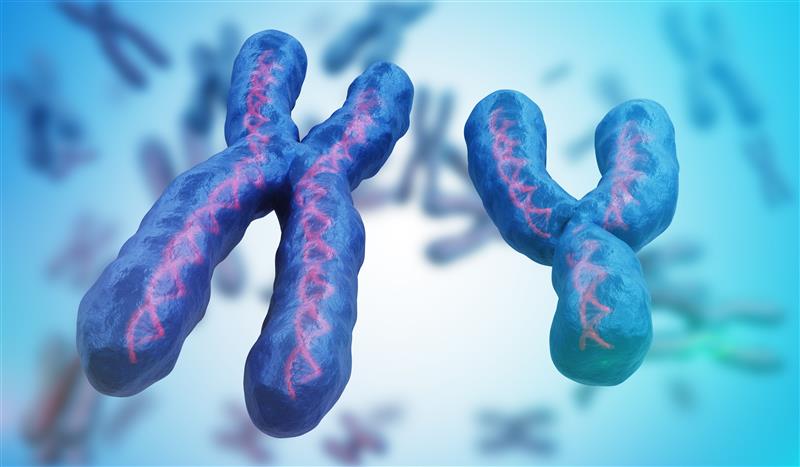
To understand what sex chromosome aneuploidy is, it’s important first to understan...
In the early stages of pregnancy, and sometimes even pre-conception, parents are off...
After finding out you’re pregnant, you may have many thoughts and questions. S...
For eight agonizing days, Kristin lived in limbo, believing her pregnancy might not ...
When you become an expecting parent, you also begin a close collaboration with the h...
Starting a family is a personal journey, but it’s also a medical one, filled with ...
You will be directed to another website that will give you more information.